
Is It Safe to Rent a Scooter in Phuket? 27 Checks Before Riding
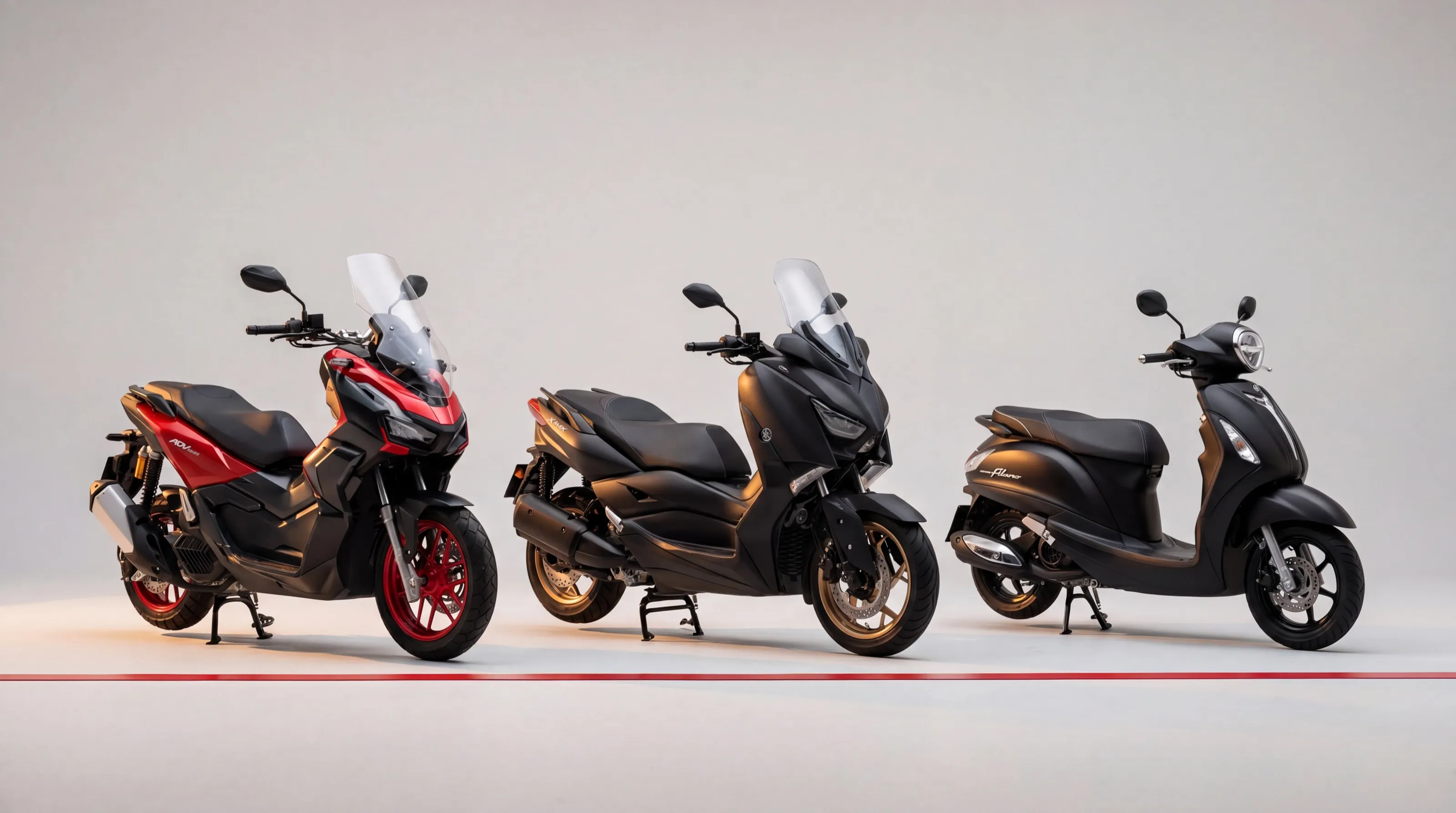
Riding in Phuket carries real risk. Hills, busy junctions, unfamiliar traffic and rain demand confident motorcycle handling. A rental handover cannot make an inexperienced rider ready for the road or replace valid riding documents.
The following checklist covers the rider, the bike, the route and the return. It helps you ask practical questions before accepting a scooter; it does not promise that any road or journey is risk-free.
27 checks before riding a scooter in Phuket
- Decide whether you should ride at all. Phuket traffic, unfamiliar junctions and steep roads demand confident motorcycle handling. If you cannot control a scooter comfortably or do not have the required riding documents, choose another form of transport.
- Check the helmet fit for both people. The rider and passenger need properly fitted, fastened helmets. Do not accept a helmet with a damaged shell, loose strap or a fit that moves around your head.
- Read the actual insurance conditions. Check motorcycle use, engine capacity, licence and helmet conditions in your own policy. The existence of a rental contract does not prove that your insurer will cover a particular ride.
- Bring the right motorcycle documents. A car-only licence or car-only IDP does not grant motorcycle permission. The IDP format depends on the issuing country; FCDO advice for UK licence holders specifies a 1968 IDP with the original UK licence. The Thai PRD summary describes the 1949 and 1968 conventions.
- Keep rental and road requirements separate. An identity check and cash deposit are rental procedures. Before using public roads, you still need documents valid in Thailand for the motorcycle class you will ride.
- Plan another way home after drinking. Use a taxi or driver. Decide how you will return before going out, so getting home does not depend on riding the scooter.
- Do not use tourist traffic as a riding lesson. If you are a first-time rider, arrange instruction in an appropriate controlled setting. A brief practice session is not evidence that you are ready for Phuket roads.
- Remember that traffic keeps left. Allow time to understand unfamiliar junctions and follow the signs, signals and marked lanes. Stop navigation in a safe parking place if you are unsure which way to go.
- Assess the Patong–Karon hill before your trip. Bends, gradients and changing traffic require more attention than a flat local road. If the route exceeds your experience or the weather is poor, use another route or form of transport.
- Treat the Patong–Kathu route as a separate decision. Consider the gradient, visibility and heavy traffic before riding it. Leave space around other vehicles and avoid overtaking where you cannot see the road ahead.
- Learn the controls of the exact scooter. Brake layout and braking systems vary by model and trim. Automatic scooters do not offer the manual low-gear selection used on geared motorcycles. Ask for a control demonstration; if the brakes feel abnormal, stop safely and contact APARTEL.
- Do not choose by engine size alone. A larger engine does not guarantee shorter stopping distance or easier handling. Compare seat height, overall size, riding position, controls and the load you plan to carry.
- Check tyres and the road surface. Wheel size alone does not guarantee grip. Inspect tyre condition and ask about the correct pressure for the actual scooter and load. Leave the bike parked if a tyre or wheel appears damaged.
- Make rain a reason to reassess the trip. Wet roads and reduced visibility can change a familiar journey. Allow more space, avoid abrupt control inputs and wait in a safe place when conditions exceed your ability.
- Watch painted markings and metal covers. These surfaces can become slippery when wet. Look ahead and avoid sudden braking or steering changes as you cross them.
- Do not ride into water of unknown depth. Standing water may conceal holes, debris or a damaged road. Turn back or wait for a safe alternative instead of testing the depth with the scooter.
- Look for sand and gravel near beach roads. Reduce speed before a bend and stay within your lane. Do not rely on an apparently dry road to provide the same grip across the whole surface.
- Begin with daylight journeys. Visibility and lighting vary between roads. When you are unfamiliar with the area, plan a daylight return or arrange other transport after dark.
- Leave space around animals and pedestrians. Slow down when people or animals are close to the road. Avoid approaching them for a photo from the moving scooter.
- Plan airport trips around your luggage. Large bags can obstruct controls and affect balance. Use a suitable car or transfer when luggage cannot be secured within the scooter's approved storage and load limits.
- Wear suitable riding gear. Use protective clothing, closed footwear, gloves and appropriate eye protection. Ordinary holiday clothing offers limited protection if you fall.
- Check the combined rider, passenger and luggage load. Ask for the exact model's permitted load and passenger equipment. Do not assume two adults and bags are suitable just because the scooter has a larger engine.
- Inspect and record the handover. Check the brakes, tyres, mirrors, lights, indicators, horn and fuel level with APARTEL. Film existing marks on your own phone. Raise any concern before accepting the bike.
- Separate Por Ror Bor from other cover. This compulsory scheme provides limited compensation for people injured in road accidents. It does not cover damage to or theft of the rented bike. See the RVP coverage information and check the certificate for the particular vehicle.
- Read the return and damage terms before paying. Confirm the cash deposit, fuel arrangement, return location and how a possible deduction would be documented. Keep the agreement and handover video until the return is settled.
- Save emergency contacts before leaving. Call 1669 for emergency medical help, 191 for police or 1155 for Tourist Police. Follow the dispatcher's instructions and collect photos only when safe. Tourist Police contact information.
- Keep a backup transport plan. If the weather, road, scooter condition or your confidence changes, end the ride safely and contact APARTEL. A different form of transport can be the right choice for that particular journey.
Five routes to assess before you set off
These are route-planning examples, not a ranking of accident rates or a statement that a road is open today. Check current signs, weather and local access restrictions.
- Patong–Karon: consider the hill and bends, especially if you would return in rain or after dark.
- Patong–Kathu: consider gradients and the traffic between Patong and the rest of the island.
- Patong–Kamala: assess the coastal bends and descents against your experience and the day's conditions.
- Karon–Kata: plan for junctions and pedestrians around the beach areas.
- Thepkrasattri road 402: consider busy traffic and junctions; choose a suitable car or transfer for large airport bags.
What to do after a crash in Phuket
- Move out of immediate traffic danger only when safe. For injuries or an unsafe scene, call 1669 or 191 and follow the dispatcher's instructions.
- Call Tourist Police on 1155 if you need assistance communicating with local authorities.
- Contact APARTEL and your insurer. Describe the location and what happened; ask what report and documents they need.
- When safe, photograph the scene, plates and damage, and exchange the details needed for the report. Ask for an explanation before signing a document you do not understand.
- Keep medical documents, receipts, the rental agreement and the handover video. Follow the claim deadline in your actual policy.
Rainy season: roughly May to October
May–October is a useful planning guide for the southwest monsoon period, but the weather varies by year and day. The Thai Meteorological Department's seasonal material describes the usual monsoon cycle; check the current Phuket forecast before travelling.
- Keep plans flexible and wait out heavy rain when visibility or grip is poor.
- Avoid water of unknown depth and follow any road-closure signs.
- Leave more space and avoid abrupt steering or braking. Use the controls as taught for your actual scooter; do not rely on a generic front/rear brake formula from a travel article.
- If you decide to stop riding, park safely and arrange another way back.
What to check with APARTEL at handover
- Try the rider and passenger helmets and ask for a demonstration of the scooter's controls.
- Confirm the agreed model, dates, cash deposit, fuel terms and return location in writing. Choose either a cash deposit or the passport option. If you choose the cash deposit, the original passport stays with you. The cash deposit for a Yamaha Fino 125 is 2,500 ฿.
- Film the scooter together and keep your own copy. Confirm how to contact APARTEL if a fault or damage appears.
- Free delivery. Confirm the additional conditions and timing in Telegram @apartel1.
Rental prices by model
The existing price table below is a budget reference. Engine size and price do not establish that a scooter is suitable for your ability, passenger or route. Confirm the model and terms for your dates before handover.
| Model | Per day | Per month | Best for |
|---|---|---|---|
| Yamaha Fino 125 | from 150 (18+ days) | 3 500 | short local trips when the fit is right |
| Yamaha Grand Filano 125 | 300 | 5 500 | urban trips |
| Honda Click 160 | 350 | 3 500 | compact daily scooter |
| Honda PCX 160 | 400 | 5 500 | daily trips and a more relaxed riding position |
| Yamaha NMAX 155 | 400 | 5 500 | daily trips when the fit is right |
| Honda ADV 160 (2026) | 500 | 7 500 | riders comfortable with a taller scooter |
| Honda Forza 300 | 650 | 9 000 | experienced riders comfortable with a larger scooter |
| Yamaha XMAX 300 | 650 | 9 000 | experienced riders comfortable with a larger scooter |
| Yamaha XMAX 2026 | 800 | 15 000 | experienced riders seeking a newer maxi-scooter |
Common questions
Is it safe to rent a scooter in Phuket?
Scooter riding carries real risk. Experience, valid motorcycle documents, a properly fitted helmet and suitable insurance are important starting checks. If you are a first-time rider or conditions exceed your ability, choose another form of transport.
What should riders and passengers do about helmets?
Use a properly fitted, fastened helmet for each person. Check the condition of both helmets before handover and read your policy's helmet requirements.
Do I need an International Driving Permit for a scooter in Phuket?
You need a motorcycle entitlement recognised in Thailand. The applicable IDP format depends on the issuing country; current UK guidance specifies a 1968 IDP with the original UK licence. A car-only licence or IDP does not grant motorcycle permission.
Which roads should a beginner avoid in Phuket?
If you have never ridden, do not begin on public roads. For riders who already have training and valid documents but are new to Phuket, the Patong–Karon and Patong–Kathu hills, unfamiliar descents and busy Thepkrasattri road require a separate assessment of experience, traffic and weather.
What number do I call after an accident in Thailand?
1669 for emergency medical help, 191 for police and 1155 for Tourist Police. Follow the dispatcher's instructions. Contact APARTEL and your insurer, and collect photos and documents only when safe.
Is a car or taxi a better choice for my trip?
A car offers weather protection and space for luggage; a taxi or driver avoids the need to ride yourself. Consider your licence, experience, bags, passenger needs, weather and parking before choosing. Renting a car also requires the appropriate driving documents.
Tell us your route — we will tell you the right bike
Helmet included. Free delivery. Confirm the additional conditions and timing in Telegram @apartel1. Bang Tao and Patong.
Message on Telegram WhatsApp Call us